
The Nvidia case, legally: a board inquiry, three congressional tracks and a new export rule
Jensen Huang's resignation has set several legal processes running at once: an independent investigation for the board, requests and subpoena threats from Congress, a securities class action and a new Commerce Department licensing rule for AI chips. Here is who is doing what, and on what footing.
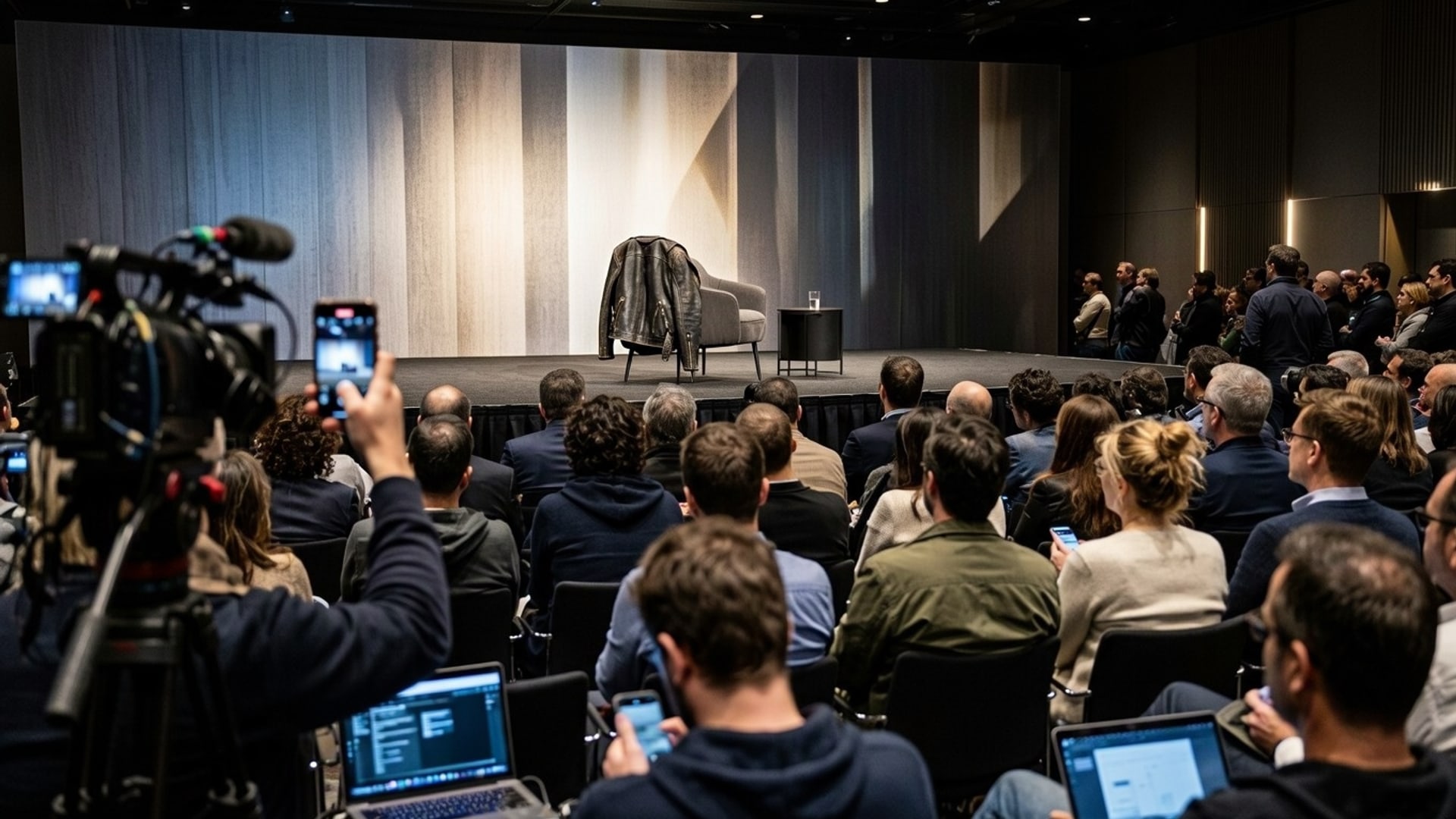
Nvidia's board chair, Harvey Jones, told investors on 17 November that the board had unanimously accepted the resignation of the company's founder and chief executive and, as he put it, “does not intend to reinstate Jensen as CEO”. He declined to take questions on the circumstances, citing the investigation that is still under way, the Associated Press and Engadget reported. Behind that sentence sit at least five separate legal tracks.
1. The company's own investigation
On 8 November the board opened an inquiry and said it had no reason to believe trade secrets had been compromised. Two days later it put the work in outside hands: Joon H. Kim, a former acting US attorney for the Southern District of New York, and the law firm Wachtell, Lipton, Rosen & Katz. The resignation itself was disclosed on 12 November in a Form 8-K, the filing US-listed companies must make within four business days of a director's or principal officer's departure. The stated reason was personal conduct inconsistent with the company's code of conduct. Finance chief Colette Kress became interim chief executive.
The board has since added a standing committee on national security and export controls, made up of independent directors with outside advisers and counsel, GamesBeat reported from the earnings call.
2. Congress
Three committees are involved. The chairs of House committees on foreign affairs, China and intelligence asked Mr Huang for a closed-door briefing on 5 November; he has agreed to answer their questions on 1 December, and the company's general counsel is expected to appear later that month. In the Senate, Chris Coons has promised an investigation, and Banking Committee chair Tim Scott has said Mr Huang will be subpoenaed if he does not testify voluntarily. A congressional subpoena compels attendance; refusing it can be referred for prosecution as contempt of Congress, though witnesses keep their constitutional privilege against self-incrimination.
3. Law enforcement — and what has not been established
The origin of the case is a New York Times report of 29 October that US officials had concluded that a businesswoman linked to a Singapore company, itself under scrutiny over suspected evasion of chip export limits, was working for Chinese intelligence. The President has said the FBI is investigating. But the acting attorney general has stated that the Justice Department has reached no conclusion on that question, and Singapore's Ministry of Home Affairs has said it had insufficient evidence to charge her and issued a warning instead. China's foreign ministry calls the reports fabricated. No charge has been brought against anyone, and Lexendia does not name the woman.
4. Shareholder litigation
A securities class action was filed after the shares fell. Claims of this kind are brought under section 10(b) of the Securities Exchange Act and Rule 10b-5, and they turn on whether the company made materially misleading statements or omissions, with intent, that investors relied on. Plaintiffs must clear the heightened pleading standard of the Private Securities Litigation Reform Act before any discovery takes place. The delayed quarterly report on Form 10-Q, noted by analysts this week, will be read closely for new risk-factor language.
5. The export rule
Separately from the personal case, the Commerce Department announced on 16 November a rule requiring licences for advanced AI chips shipped to data centres abroad that supply significant computing capacity to companies headquartered in China or other restricted countries. It takes effect on publication in the Federal Register, which was scheduled for 19 November. The Treasury Secretary has said publicly that agencies had wanted the Singapore company placed on the Entity List for months and that Commerce had not acted. China's commerce ministry has threatened countermeasures.
What comes next
- 19 November: scheduled publication of the licensing rule in the Federal Register.
- 1 December: Mr Huang answers questions from House committees.
- December: Nvidia's general counsel is expected before Congress.
- Open: the findings of the independent investigation, and any decision by the Justice Department.
Mr Huang has written that he did not live up to the standards expected of him and that he is cooperating with the investigation.
Sources
- Nvidia chairman says board does not intend to reinstate Jensen Huang as CEO
- NVIDIA's board chair says the company is not considering reinstating Jensen Huang as CEO
- Interim CEO Colette Kress and chairman Harvey Jones try to reassure Nvidia investors
- Nvidia Board Shuts Down Jensen Huang Comeback, Launches Search for New CEO
- Jensen Huang spying scandal (overview of published reporting)
Lexendia is a legal information service, not a law firm. This is not legal advice.