
ICJ finds Myanmar committed genocide against the Rohingya, in court's first such ruling against a state
The UN's highest court said Myanmar's 2017 actions met the legal threshold for genocide and ordered safe return, family reunification, investigations and compensation.
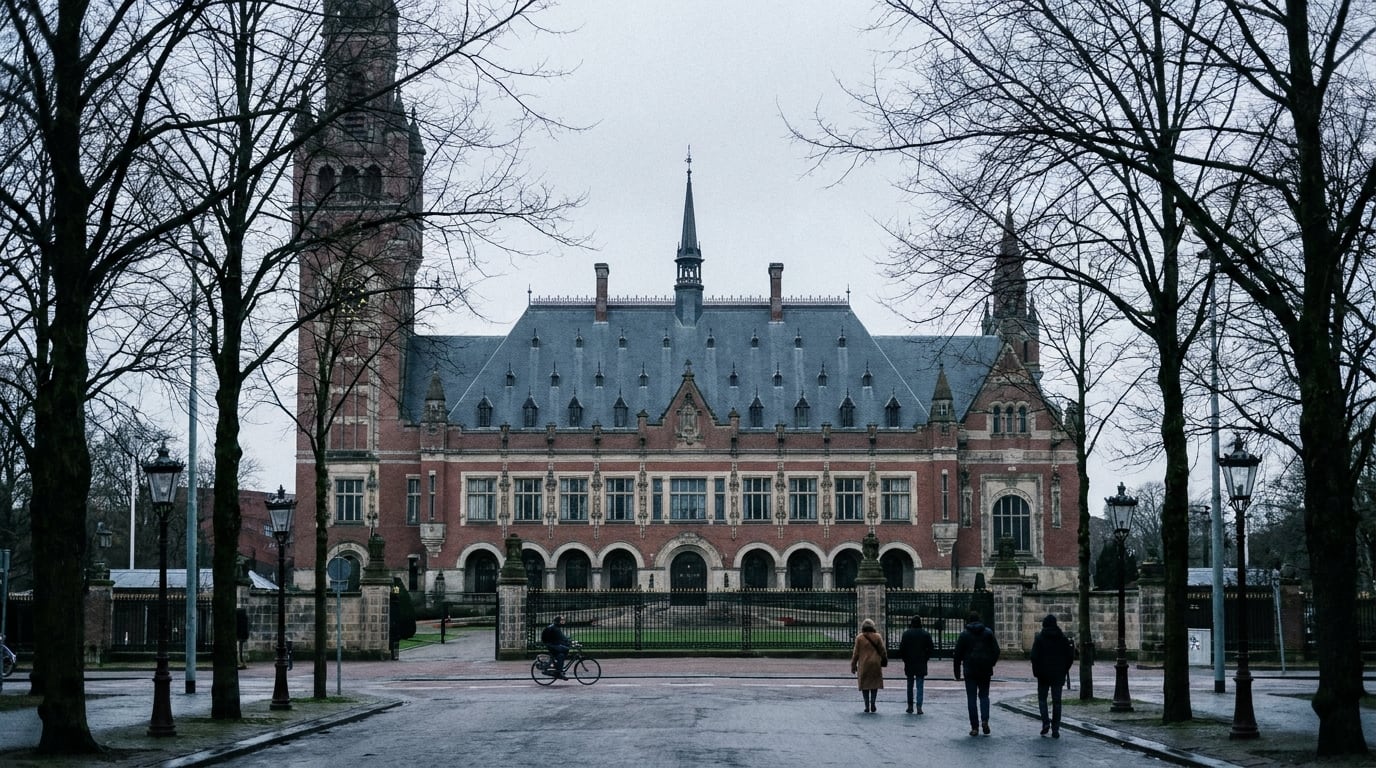
The International Court of Justice, the United Nations' highest court for disputes between states, ruled on 19 November 2026 that Myanmar committed genocide against its Rohingya community. It is the first time the ICJ has found a state responsible for committing genocide. The court said Myanmar's 2017 actions against the Rohingya had the "intention to destroy" a substantial part of the Muslim minority population, meeting the legal threshold for genocide under the 1948 Genocide Convention. The ICJ is distinct from the International Criminal Court, which prosecutes individuals rather than states.
The case was launched by The Gambia in November 2019, after Myanmar's armed forces mounted a 2017 offensive that forced at least 730,000 Rohingya from their homes into Bangladesh. A UN fact-finding mission concluded the campaign included what it called "genocidal acts". The Gambia described itself as a nation that has sought justice after grave abuses, a reference to the 1994-2017 rule of Yahya Jammeh.
"The court finds that Myanmar's security forces killed thousands of Rohingya civilians, perpetrated widespread acts of sexual violence as well as acts of extreme violence against children and attacked fleeing Rohingya as they sought to flee in large numbers to Bangladesh" - Presiding Judge Yuji Iwasawa, International Court of Justice, as reported
The court ordered Myanmar to allow the safe return of Rohingya to their place of residence, allow family reunification, and investigate individuals suspected of genocide. Judge Iwasawa said Myanmar is under an obligation to compensate the Rohingya group and its members for damage caused by violations of its obligations. The Organisation of Islamic Cooperation, which supported The Gambia's case, called on Myanmar to comply fully and without delay. Gambian President Adama Barrow's office called the ruling a historic day for international justice. Judgments of the ICJ are final, but the court has limited means to enforce them.
The decision is said to have implications far beyond Myanmar, including for South Africa's case accusing Israel of genocide in Gaza, filed in 2023. Both Myanmar and Israel have denied genocide allegations and say their forces responded legitimately to attacks by armed groups. Reporting after the ruling described it as only the fourth time since the Nazi Holocaust that an international court had ruled the legal threshold for genocide met; international courts have recognised genocide in only a handful of cases since the Holocaust, including Rwanda, Srebrenica and Khmer Rouge atrocities. The court's first major decision in more than a decade on the application of the 1948 Genocide Convention is closely watched by legal experts.
ASEAN has excluded Myanmar from high-level meetings following the 2021 military coup because it has not made meaningful progress on the Five-Point Consensus.
Before the ruling, The Guardian reported growing fears that the United States could impose sanctions on ICJ judges, including this year's Nobel peace prize winner, Navi Pillay, if the court found that Myanmar had committed genocide. No such step had been reported in the sources at the time of writing.
Sources
Lexendia is a legal information service, not a law firm. This is not legal advice.