
ICJ finds Myanmar committed genocide against the Rohingya
The Hague court’s 9-6 ruling, in a case brought by Gambia, ends a seven-year legal battle and orders Myanmar to investigate and prosecute those responsible.
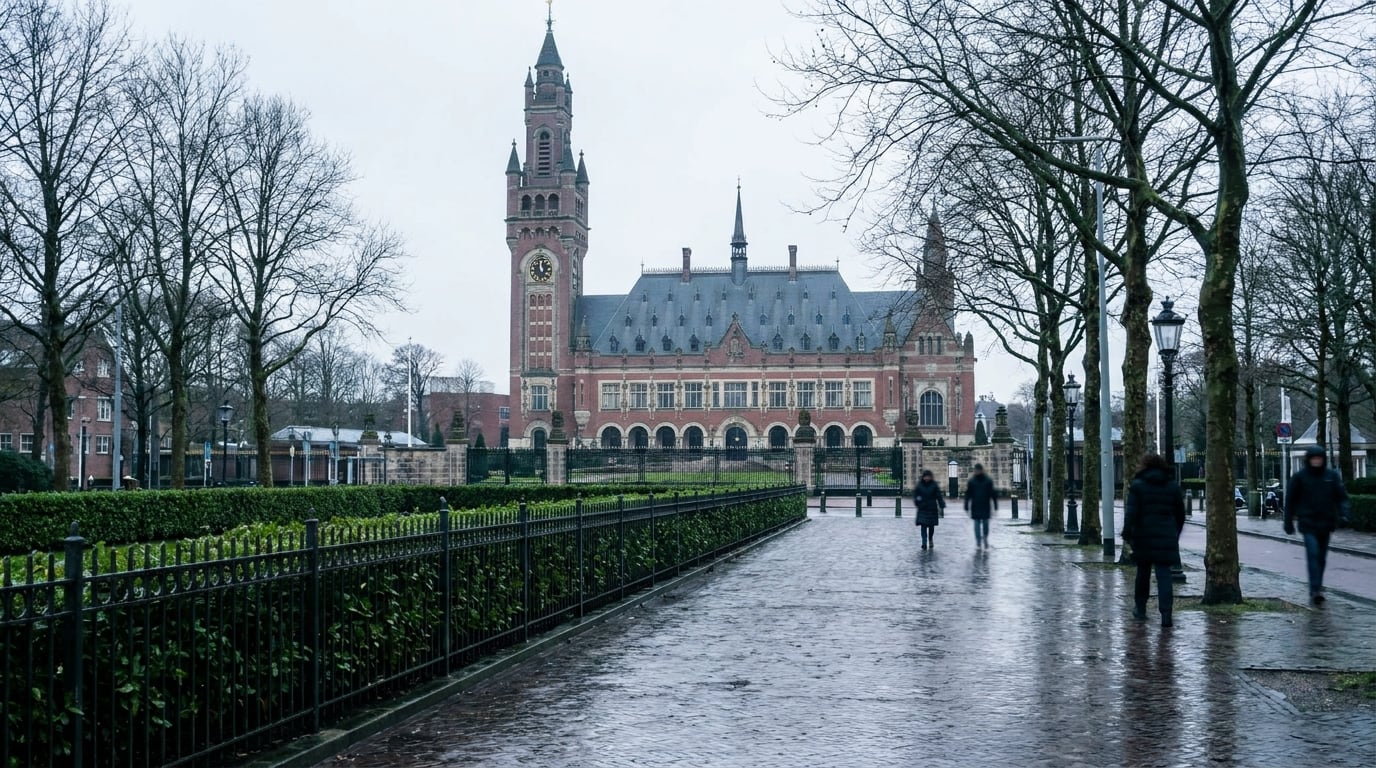
On 19 November 2026 the International Court of Justice in The Hague ruled that Myanmar committed genocide against the Rohingya minority in northern Rakhine State. The finding came in a case brought by Gambia under the Genocide Convention.
has committed genocide against the Rohingya group in northern Rakhine state, in violation of its obligations under the Genocide Convention. - International Court of Justice, as reported by Africanews
The court found that Myanmar troops or security forces killed thousands of Rohingya civilians, committed widespread sexual violence and inflicted extreme violence against children. It also found that the military carried out mass executions of men and boys, committed widespread rape of Rohingya women, and burned or razed hundreds of villages during the 2017 clearance operations.
The court ordered Myanmar to investigate anyone suspected of carrying out the genocide and, if warranted, to prosecute and punish them. Myanmar had argued that its 2017 military campaign was a legitimate operation against insurgents.
Myanmar’s military-led government did not immediately respond to a request for comment on the ruling. The United Nations described the 2017 military crackdown as a textbook example of ethnic cleansing, pushing hundreds of thousands of Rohingya to flee to Bangladesh.
Myanmar has previously described Gambia’s allegations as flawed and unfounded in fact and law, and has said opponents used biased reports based on unreliable evidence. Its military also said men killed at Inn Din belonged to a group of 200 labelled terrorists that targeted security forces.
Myanmar’s military later jailed seven soldiers for 10 years for the Inn Din killings, but they were released early after less than a year in prison. A Rohingya widow, 43, told CNA the ruling felt like justice at last; she said a soldier cut her hand with a machete and dragged her husband away, and that was the last time she saw him alive. She said her husband, brother and brother-in-law were among 10 Rohingya men killed at Inn Din in September 2017, and she hoped the judgment would allow Rohingya to return home as equal citizens.
Fighting continues in Rakhine between the Myanmar military and the Arakan Army rebel group after the 2021 coup that triggered a nationwide civil war. The judgment ends a seven-year legal battle.
Reports differ on the death toll. Semafor reported a figure of 10,000 Rohingya killed, while other reports describe the killings as thousands without a specific total. The Guardian and Africanews describe the ruling as the first time the Hague-based court has found a state responsible for genocide; CNA notes that it is only the fourth time since the Nazi Holocaust that an international court has ruled that the legal threshold to prove genocide had been met.
Semafor reported that the ruling has major ramifications for other suits pending at the ICJ, including South Africa’s similar case against Israel over the war in Gaza.
Sources
- ICJ rules Myanmar committed genocide against Rohingya minority – video
- ICJ finds Myanmar guilty of 'genocidal intent' against Rohingya
- 'Justice is finally being served': Rohingya widow hears Myanmar genocide ruling from refugee camp
- ICJ rules Myanmar committed genocide against the Rohingya
- Myanmar committed genocide against Rohingya, ICJ finds
Lexendia is a legal information service, not a law firm. This is not legal advice.