
ICC president and acting prosecutor use South Africa visit to make the case for the court
At a conference marking 30 years of South Africa's Constitution, Judge Tomoko Akane warned against pressure on the court while Mame Mandiaye Niang discussed partnerships; the court says South African officials stressed its independence.
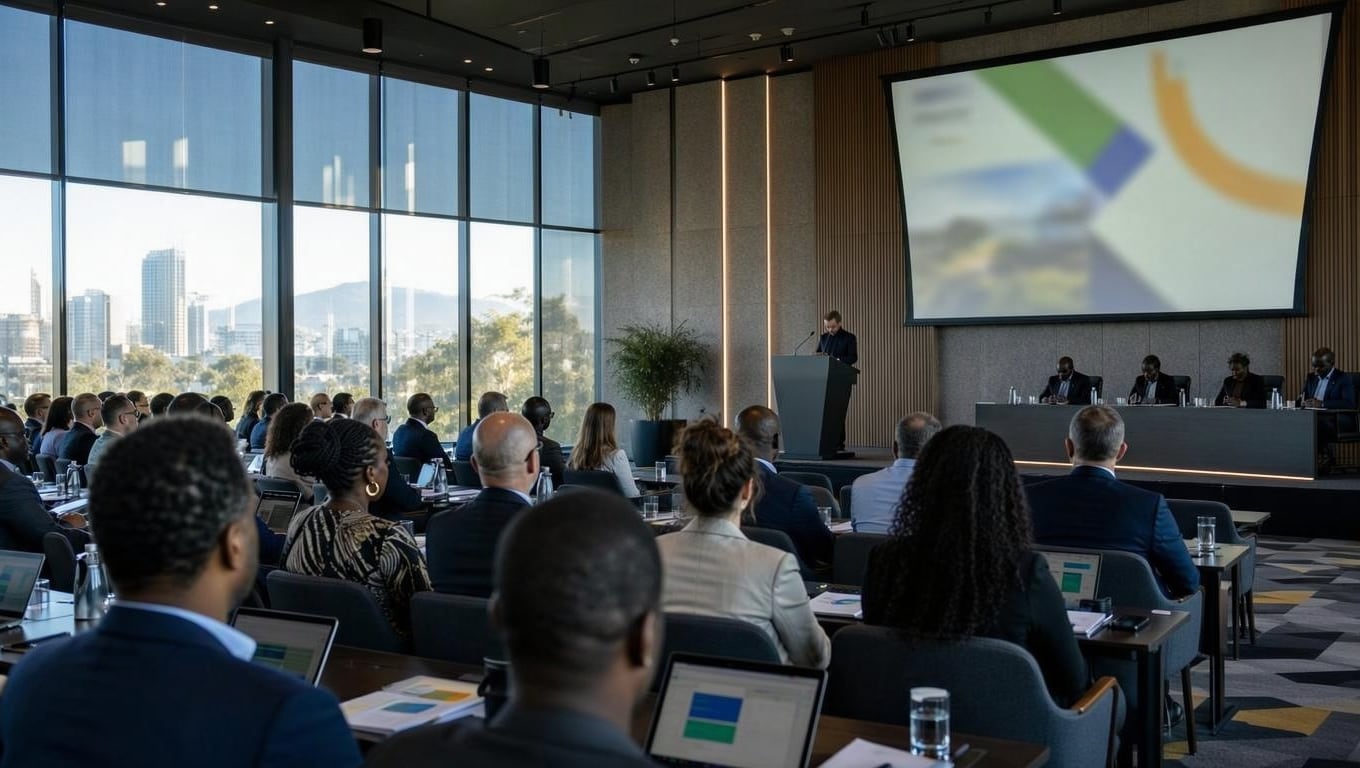
The president of the International Criminal Court, Judge Tomoko Akane, and its acting prosecutor, Mame Mandiaye Niang, visited South Africa from 11 to 13 November 2026 to attend the International Conference on Access to Justice. The conference was hosted by South Africa's Department of Justice and Constitutional Development to mark the 30th anniversary of the country's Constitution.
President Akane gave a message of support at the welcome dinner and addressed the opening of the conference, where President Cyril Ramaphosa, Justice Minister Mmamaloko Kubayi and other officials from governments, the judiciary, the legal profession, international institutions and civil society were present.
In her remarks she drew a link between the South African Constitution and the Rome Statute, the treaty that established the court, describing both as resting on a shared promise that atrocities must not be repeated. She also stressed the central place of victims in the court's work and the challenges facing international justice.
"'never again' is not just a phrase. It is a promise. And a promise must be strengthened continuously, not only through words, but through action." - Judge Tomoko Akane, ICC President
Addressing coercive measures against the court, President Akane said future generations would judge how the present generation reacted when justice came under attack, and urged her audience to stand on the side of the law, of justice and of victims.
Acting Prosecutor Niang took part in a panel discussion on partnerships and public-private collaboration. He described the international criminal justice system under the Rome Statute as one built on partnership and collective action through the law, and said that no single actor can address impunity alone, arguing instead for a justice ecosystem of interconnected efforts.
On the margins of the conference, the two ICC officials met President Ramaphosa, Minister Kubayi and other senior figures from South African justice institutions. According to the court, the South African officials emphasised the importance of safeguarding the independence and integrity of the ICC amid international pressure and sanctions, and of strengthening cooperation so that the law is applied effectively. The court's account does not name the officials who spoke, and no statement from the South African government or from any of the other governments represented was included in it.
The ICC delegation also met government representatives from other participating countries, including the ministers of justice of Botswana, Lesotho, Malawi, Namibia, Mozambique and a deputy minister of justice from Tanzania. The discussions covered the court's current affairs and ways to deepen exchange and collaboration. The court thanked the South African authorities for their hospitality and support.
The meetings place the ICC's relationship with southern African governments in the foreground at a time when the court says it is subject to coercive measures. The court's own account records expressions of support for its independence, but the statements do not commit any state to specific steps on cooperation or enforcement.
Sources
- ICC President and Acting Prosecutor visit South Africa for 30th Anniversary of the Constitution
- Thirty-second report of the Prosecutor of the International Criminal Court to the United Nations Security Council pursuant to Resolution 1970 (2011)
- Security Council Briefing: ICC Prosecutor Niang on Situation in Libya
Lexendia is a legal information service, not a law firm. This is not legal advice.